CrochetPatternGen

Newborn Crochet Blanket Patterns

Soft palettes, gentle motifs, and sizes that actually fit a newborn — charts with every stitch counted.

A newborn blanket is the most-gifted project in crochet, and the most over-thought. What matters: soft washable yarn, a calm palette, no choking-hazard embellishments, and a size around 75 × 90 cm that works from crib to stroller. These three charts are built on exactly that spec.

The bear and moon motifs work as single panels or as one square in a larger blanket; the gingham is the fastest full blanket you can make — one stitch, three colors, zero sewing.

The free charts

Digital preview
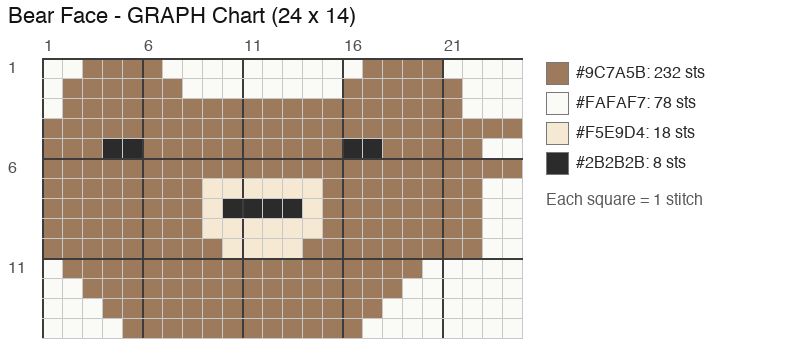
Bear Face crochet chart, 24 × 14 stitches, 4 colors

14 rows

Click the chart to jump to a row · Progress saves in your browser — no account needed 💕

Rendered previewBear Face as worked crochet fabric — simulated stitch texture
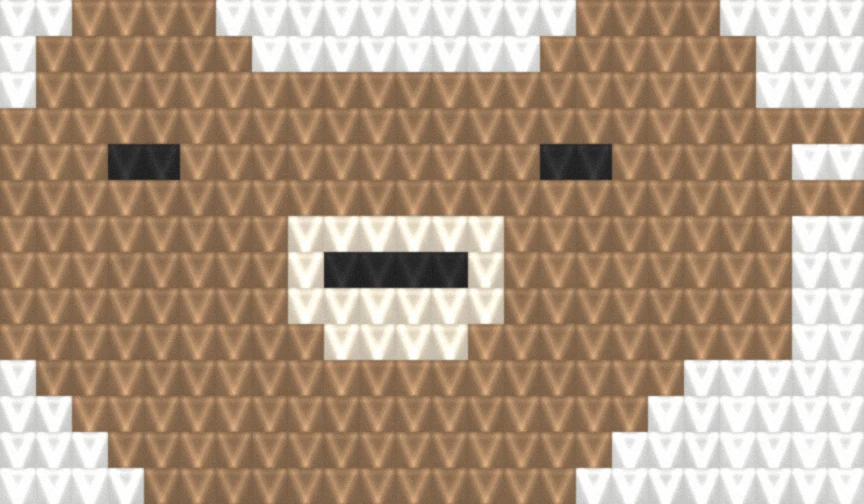
Simulated stitch texture from the chart grid — not a photo.

Finished lookBear Face — finished crochet piece inspiration
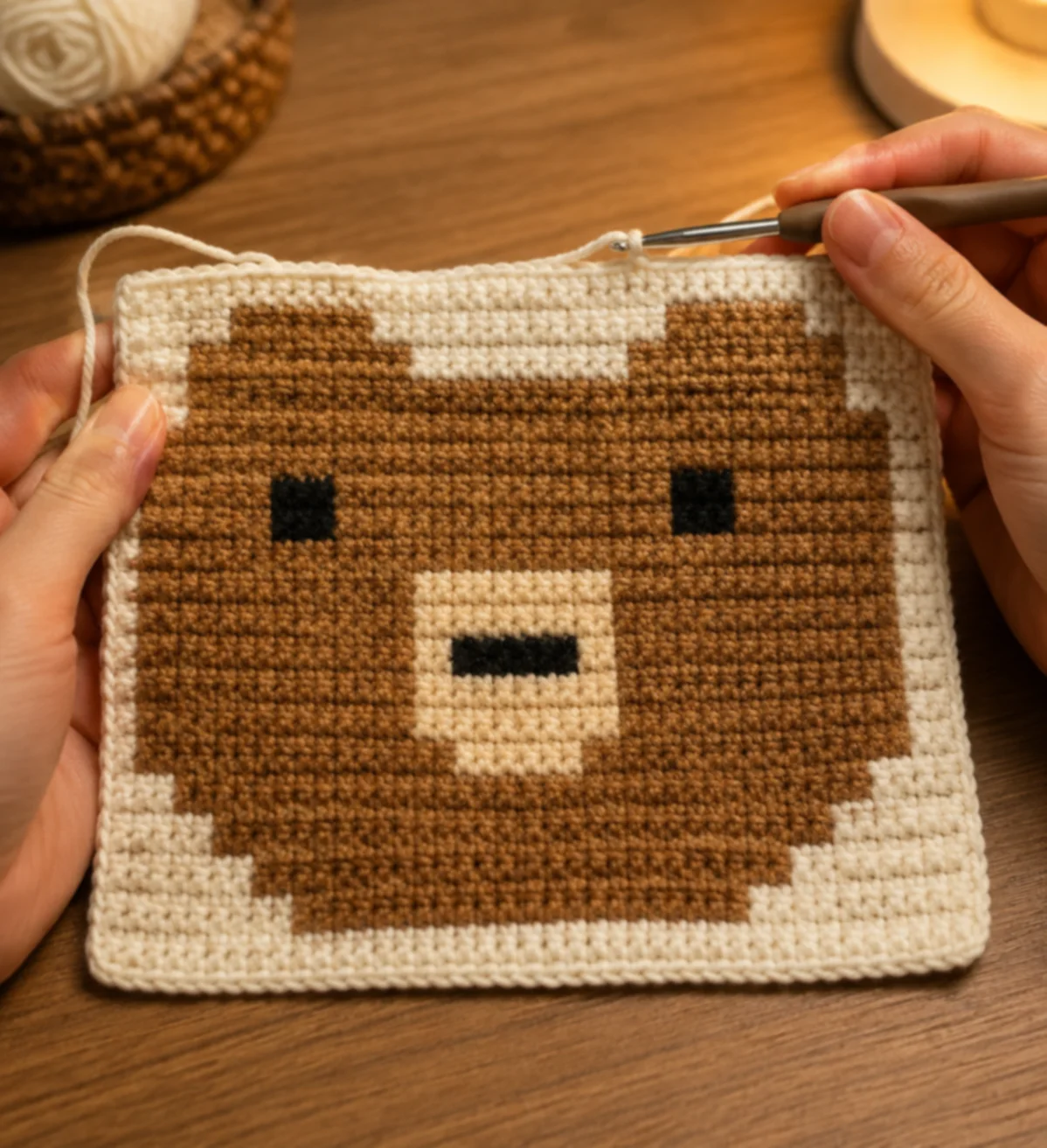
Bear Face

Difficulty
Beginner
Technique
Graph (single crochet)
Chart size
24 × 14 stitches
Colors
4
Yarn needed
≈ 20 yds for the motif
Source
Original pixel design

A gentle bear face in honey brown and cream. Center it on a cream panel, or repeat in a grid for a full bear blanket.

Download chart (PNG) ⬇️
Written instructions (row by row)

Work from the bottom up. Odd rows are the right side (worked right-to-left), even rows the wrong side (left-to-right). Tap a row to mark it done — the chart shades it too.

creamtanblackivory
Digital preview
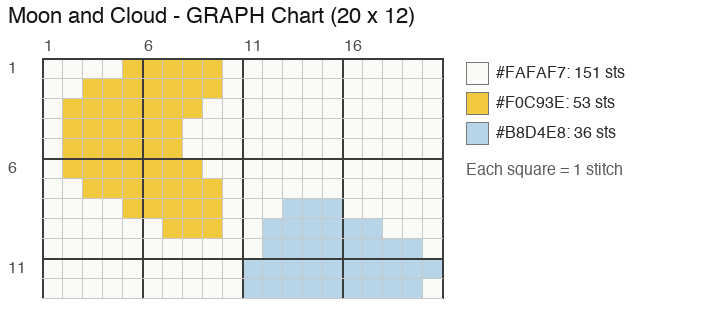
Moon & Cloud crochet chart, 20 × 12 stitches, 3 colors

12 rows

Click the chart to jump to a row · Progress saves in your browser — no account needed 💕

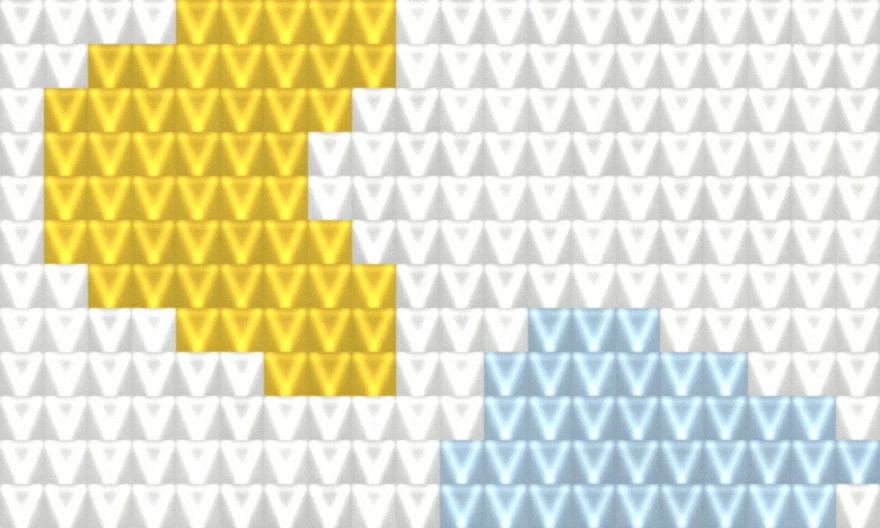
Rendered previewMoon & Cloud as worked crochet fabric — simulated stitch texture

Simulated stitch texture from the chart grid — not a photo.

Moon & Cloud

Difficulty
Beginner
Technique
Graph (single crochet)
Chart size
20 × 12 stitches
Colors
3
Yarn needed
≈ 15 yds for the motif
Source
Original pixel design

Sleepy crescent over a little cloud — made for nursery palettes. Lovely as a corner motif on a white or grey blanket.

Download chart (PNG) ⬇️
Written instructions (row by row)

Work from the bottom up. Odd rows are the right side (worked right-to-left), even rows the wrong side (left-to-right). Tap a row to mark it done — the chart shades it too.

creamyellowpale blue
Digital preview
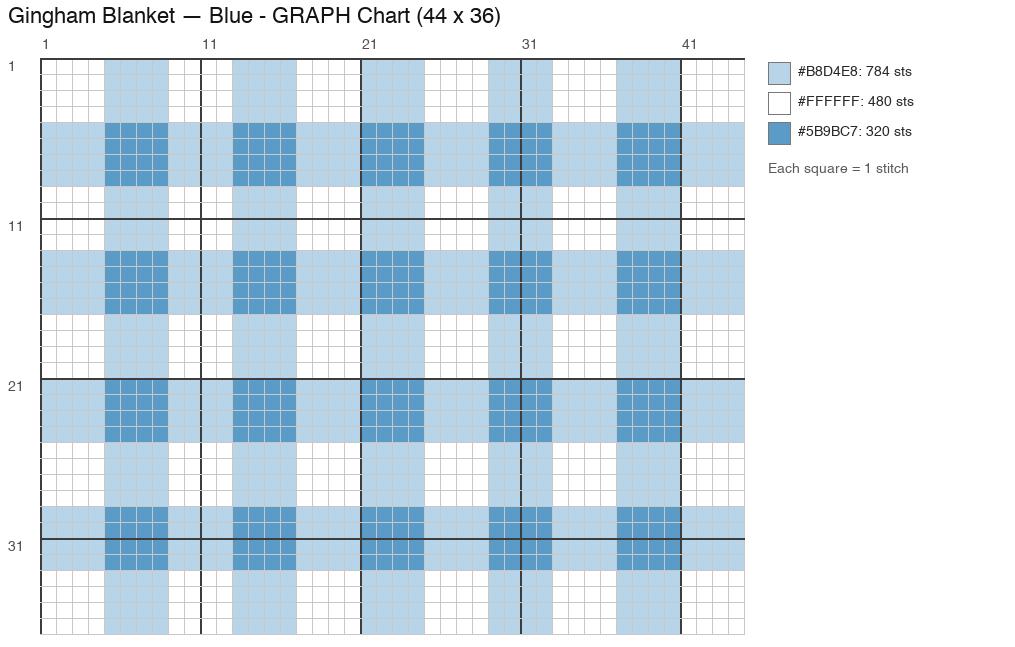
Gingham Blanket — Blue crochet chart, 44 × 36 (section), 3 colors

36 rows

Click the chart to jump to a row · Progress saves in your browser — no account needed 💕

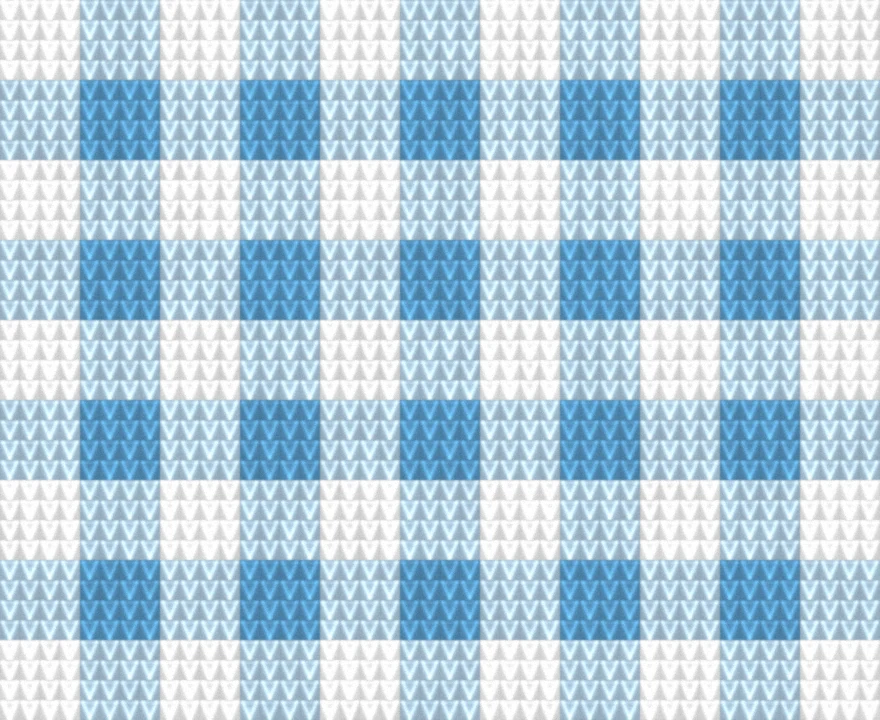
Rendered previewGingham Blanket — Blue as worked crochet fabric — simulated stitch texture

Simulated stitch texture from the chart grid — not a photo.

Gingham Blanket — Blue

Difficulty
Beginner
Technique
Single crochet blocks (carry yarn)
Chart size
44 × 36 (section)
Colors
3
Yarn needed
newborn size ≈ 800–1,000 yds
Source
Original pixel design

The classic baby-blue gingham. Single crochet with carried colors — a whole newborn blanket with no joining, no ends.

Download chart (PNG) ⬇️
Written instructions (row by row)

Work from the bottom up. Odd rows are the right side (worked right-to-left), even rows the wrong side (left-to-right). Tap a row to mark it done — the chart shades it too.

whitepale bluesky blue

How to crochet it

  1. Gather your materials

    Newborn blankets get washed constantly, so pick a soft #3 DK or #4 worsted acrylic or cotton-acrylic blend labeled machine-washable, plus a 5.0 mm (H/8) hook, tapestry needle, and scissors. The bear motif uses 4 colors (≈ 20 yds), the moon 3 (≈ 15 yds); the full blue gingham blanket takes ≈ 800–1,000 yds in 3 colors.

  2. Check the finished size

    The classic baby blanket size for a newborn is 75 × 90 cm — crib through stroller age. At the standard 16 sc × 18 rows = 10 cm gauge that's about 120 × 162 stitches of single crochet, and the 24 × 14 bear chart works up as a 15 × 8 cm motif to center on the panel.

  3. Work the chart from the bottom up

    One square = one single crochet, worked into a plain sc ground. Odd rows are the right side (read right to left), even rows the wrong side (read left to right). For the gingham, skip the motif and work single crochet blocks with the three colors carried inside the stitches — no chart reading needed.

  4. Change colors cleanly

    Finish the last stitch of the old color with the new one, and drop the yarn instead of carrying it more than 3–4 stitches. The gingham is the exception: its colors ride inside the work the whole way, so the whole blanket has no ends to weave.

  5. Add a border and finish

    Work one round of single crochet in cream around the blanket with 3 sc in each corner, then weave in every end thoroughly with the tapestry needle and block the piece flat. Keep newborn items safe: no buttons, beads, or loose embellishments.

  6. Turn it into a finished piece

    A newborn crochet blanket pattern like the gingham is a complete blanket with zero joining; the bear or moon work as a centered panel, a corner motif, or one square in a larger blanket — the classic baby-shower gift, ready for the crib and the stroller.

Make your own chart

Have a photo you love? The free generator turns it into a stitch-ready chart — grid, palette, and stitch counts included.

Frequently asked questions

What size should a newborn crochet blanket be?

About 75 × 90 cm (30 × 36 in) is the standard: big enough for a crib and tummy time, small enough to carry. Stroller blankets can go down to 60 × 75 cm. Avoid very large sizes for newborns — they're impractical, not safer.

What yarn is safe for a newborn blanket?

Soft, machine-washable, and pill-resistant: premium acrylics and cotton-acrylic blends are the practical choice. Skip mohair and anything loosely plied that sheds fibers, and avoid wool unless the family confirms no sensitivity.

How long does a newborn blanket take to crochet?

The gingham in worsted weight: roughly 15–20 hours at a relaxed pace — a week of evenings. A motif panel is faster: the bear or moon itself is one evening, set on a simple single crochet ground.

Is gingham crochet hard?

It's the opposite: one basic stitch with colors carried inside the work. The only skill is keeping even tension over the carried yarn. It's the most-recommended first blanket for a reason.

Can I chart my own newborn blanket design?

Yes — upload a drawing or photo to the pattern generator and it becomes a counted stitch grid. Simple shapes (animals, moons, letters) convert best at blanket sizes.